

 New festivals just added for 2026

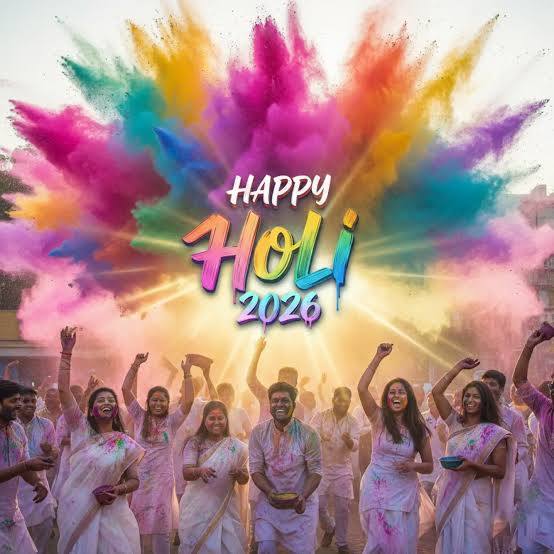
Holi, the vibrant “Festival of Colors,” is a traditional Hindu spring festival celebrated primarily in India and Nepal, marking the arrival of spring and the victory of good over evil. The festival is famous for its joyful chaos, where participants of all backgrounds smear each other with colorful powders and water.
Key Traditions
- Holika Dahan: On the eve of Holi, large bonfires are lit to symbolize the burning of the demoness Holika and the triumph of righteousness.
- Rangwali Holi: The main day of the festival features a massive, free-for-all “war” of colors using dry powders called gulal, water balloons, and water guns.
- Social Harmony: For one day, social barriers like caste, gender, and status are cast aside, allowing everyone to celebrate together as equals.
- Food and Drink: Celebrants enjoy traditional sweets like gujiya (sweet dumplings) and a milk-based drink called thandai, which is sometimes mixed with bhang (cannabis).
Symbolism and Legends
- Good vs. Evil: The legend of Prahlad and Holika explains why bonfires are lit; Prahlad’s devotion to Vishnu protected him from the fire while the evil Holika perished.
- Divine Love: The colorful play also commemorates the love between Radha and Krishna. Legend says Krishna, self-conscious about his blue skin, playfully colored Radha’s face to match his, leading to the tradition of gulal.
- Colors: Each hue carries meaning: Red for love and fertility, Blue for Krishna, Yellow for auspiciousness/turmeric, and Green for new beginnings and spring.
Upcoming Festival Dates
Holi follows the Hindu lunar calendar and falls on the last full moon day of the month Phalguna
- 2026: March 3 – March 5
- 2027: March 22 – March 23 (Projected based on lunar cycles)
Leave a Reply